



Fashion is more than the clothes we wear. It is a way to express ideas, share stories, and bring creativity to everyday life. If you enjoy experimenting with colours, exploring new styles, sketching outfits, or imagining your own clothing collection, fashion designing could be an exciting career choice. Today, the fashion industry offers opportunities in clothing design, styling, fashion communication, merchandising, and many other creative fields. However, turning your interest into a successful career requires the right skills, practical knowledge, and industry exposure. A fashion designing course can help you build this foundation and understand how the industry works. It also gives you the confidence to develop your ideas and turn them into real designs. If you are looking for a career that combines creativity with professional growth, studying fashion design can be a meaningful first step towards your goals.
Choosing a career becomes easier when you understand how your interests can connect with professional opportunities. Fashion designing is a field where creative thinking meets practical skills, making it suitable for students who want to build something of their own.
Here are five reasons why fashion designing can be a rewarding career choice.
If you enjoy creating new outfits, mixing colours, or experimenting with different fabrics, fashion designing allows you to use these interests professionally. A course helps you understand design principles, garment construction, fabric selection, and colour combinations. Instead of keeping your ideas in a sketchbook, you learn how to develop them into wearable designs. Over time, you can create a portfolio that showcases your personal style and design abilities.
Fashion designing is not limited to becoming a clothing designer. The industry includes several career paths, such as fashion styling, costume design, fashion illustration, textile design, fashion buying, and visual merchandising. Each role requires a different combination of skills, allowing students to explore their interests and identify a suitable direction. A fashion designing course introduces you to these possibilities and helps you understand which area matches your strengths.

Having creative ideas is important, but understanding how to bring them to life is equally necessary. Fashion education teaches you about measurements, pattern making, stitching, garment construction, and fabric behaviour. These skills help you understand how a design moves from an initial concept to a finished garment. Practical learning also allows you to recognise mistakes, improve your techniques, and become more confident in your work.
Students often have interesting ideas but may not know how to present them professionally. Through assignments, design projects, and presentations, fashion education helps you explain your creative choices and communicate your ideas clearly. You also learn to accept feedback and make improvements. This confidence becomes valuable when presenting a collection, attending an interview, working with clients, or discussing ideas with a design team.
Fashion designing can also open doors for students who want to become entrepreneurs. You could develop a clothing label, offer styling services, create custom outfits, or sell your designs online. Learning about materials, production, customer preferences, and design development can help you make informed decisions. Although running a business requires additional knowledge and planning, a fashion designing course can provide a useful starting point.
A professional course gives you more than theoretical knowledge. It helps you understand the complete design process and prepares you to approach creative work with greater confidence and discipline.
Consider these five ways a fashion designing course can support your development.
You learn about design elements such as line, shape, texture, proportion, and colour. These concepts help you create balanced and visually appealing designs. Understanding the fundamentals also makes it easier to experiment with different styles while maintaining a clear design direction.
Practical assignments help you apply what you learn in class. You may work on fashion illustrations, mood boards, garment samples, or complete design projects. Such activities help you understand the time, effort, and decision-making involved in developing a garment.
A portfolio is an important part of presenting your abilities to potential employers, clients, or collaborators. It can include sketches, fabric studies, design concepts, finished garments, and photographs of your work. A course helps you gradually build a collection of projects that demonstrates your progress and creative approach.
Fashion designers regularly work with practical limitations, including budgets, fabric availability, production timelines, and customer requirements. Learning to solve these challenges helps you become more adaptable. For example, you may need to modify a design because a particular material is unavailable or change a pattern to improve the fit.
A structured learning environment can help you understand workplace expectations, project deadlines, teamwork, and presentation skills. Depending on the course and available opportunities, students may also gain exposure to industry projects, internships, or portfolio reviews. These experiences can help you prepare for entry-level roles and understand what employers expect from aspiring designers.
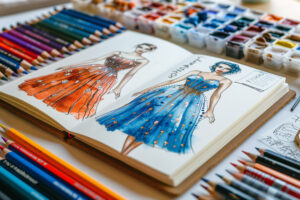
One of the biggest advantages of studying fashion design is the range of career paths available. You do not have to follow the same route as every other student. Your choice can depend on your interests, strengths, practical experience, and long-term goals.
Here are five career options worth exploring.
Fashion designers develop clothing and accessory concepts for different audiences and occasions. They research trends, sketch designs, select fabrics, and work on garment development. Some designers focus on everyday wear, while others specialise in occasion wear, bridal fashion, luxury clothing, or sustainable fashion. Building technical knowledge and a strong portfolio can help you work towards this role.
Fashion stylists select clothing, accessories, and overall looks for individuals, photoshoots, advertising campaigns, fashion shows, and media productions. The role requires an understanding of colour, proportion, current trends, and personal style. Good communication skills are also important because stylists often work with photographers, models, designers, and clients.
Textile designers create patterns, prints, and surface designs for fabrics used in clothing, home furnishings, and other products. They may work with traditional motifs, contemporary graphics, or experimental textures. This career can suit students who enjoy drawing, exploring patterns, and understanding how colours and materials work together.
Fashion merchandisers connect the creative side of fashion with business requirements. Their work may involve studying customer preferences, analysing trends, planning product ranges, coordinating with suppliers, and helping businesses decide what to sell. Students interested in fashion as well as planning, communication, and commercial decision-making may find this path appealing.
Costume designers create clothing for films, television, theatre, advertisements, and other productions. They study characters, settings, time periods, and story requirements before developing suitable costumes. Research skills, creative thinking, and attention to detail are particularly useful in this field.
These career options show that fashion education can lead to different professional directions. Your first job may also help you discover a specialisation you had not considered before beginning your course.
Success in fashion depends on more than having a good sense of style. Designers must combine creative thinking with technical knowledge, communication, and the ability to manage projects.
A fashion designing course can help you develop the following five essential skills.
Creative thinking and originality
Fashion designers need to develop ideas that feel fresh and meaningful. Studying design encourages you to explore different sources of inspiration, including art, architecture, culture, nature, and everyday life. You also learn to develop your own approach instead of simply copying existing trends.
Knowledge of fabrics and materials
Different fabrics behave differently when cut, stitched, or worn. Cotton, silk, denim, linen, and synthetic materials have different textures, weights, and properties. Understanding these differences helps you select appropriate fabrics for specific designs and create garments that are both attractive and functional.

Attention to detail
Small details can influence the overall quality of a garment. Seams, buttons, stitching, fit, finishing, and proportions all contribute to the final result. Developing attention to detail helps you identify errors, improve construction quality, and produce more professional work.
Communication and teamwork
Fashion projects often involve working with pattern makers, photographers, production teams, suppliers, clients, and other designers. You need to explain your ideas clearly, listen to suggestions, and coordinate tasks. These skills become especially important when working on collections or meeting deadlines.
Time management and adaptability
Design projects usually involve multiple stages, from research and sketching to sampling and final presentation. Learning to organise your work helps you complete each stage on time. Adaptability is equally important because trends, customer expectations, materials, and project requirements can change.
Choosing the right institute is an important decision when planning your fashion career. You need a learning environment that supports creativity while helping you develop the practical abilities required in the industry. LISAA, the LISAA School of Design in Bangalore, is worth exploring if you are looking for a design-focused education that aligns with your interests and career ambitions.
Enrolling in a course is only the beginning. Your progress also depends on how actively you participate, practise your skills, and explore the fashion industry outside the classroom.
Use these five habits to make your learning experience more valuable.
You do not have to create perfect illustrations from the beginning. Start by sketching silhouettes, clothing details, accessories, and outfit combinations. Regular practice can help you improve your drawing skills and communicate your ideas more clearly.
Explore fashion shows, exhibitions, traditional clothing, street style, textiles, and design history. Notice how designers use colour, fabric, shape, and construction. Keeping a collection of references can help you find inspiration and understand how fashion changes over time.
Work with fabrics, trims, textures, and surface techniques whenever possible. Even simple experiments can teach you how materials behave and how different combinations affect the appearance of a garment. Practical exploration also helps you discover which techniques you enjoy most.
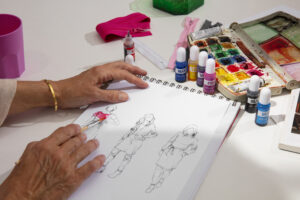
Save your best projects and document the development process. Include research, initial sketches, fabric choices, design changes, and final outcomes where relevant. A well-organised portfolio demonstrates not only the finished design but also your ability to think through a creative problem.
Follow designers, learn about emerging trends, and understand how fashion businesses operate. If opportunities are available, attend exhibitions, workshops, fashion events, or industry talks. Networking and continued learning can help you discover career possibilities and understand the expectations of different roles.
Remember that fashion skills develop with time. Consistent practice, openness to feedback, and a willingness to learn from mistakes can make a meaningful difference to your progress.
A career in fashion designing gives you the opportunity to turn creative ideas into something people can see, wear, and experience. From designing clothing and styling outfits to exploring textiles and fashion merchandising, the industry offers several paths for students with different interests. A well-chosen course can help you build technical skills, develop a portfolio, and understand the practical side of the profession. However, your career growth will also depend on regular practice, curiosity, and the effort you put into improving your work. If you are planning to study fashion in Bangalore, take time to compare institutes, explore their programmes, and understand the learning opportunities they offer. LISAA can be one of the options to consider as you begin your journey. Choose a course that supports your ambitions, encourages experimentation, and helps you develop the confidence to bring your ideas to life. Your future in fashion starts with the skills and choices you build today.