Join LISAA’s Diploma in Film Making and build real-world skills in storytelling, cinematography, and editing through practical, industry-driven training.
Course Duration
4 Years
Diploma in Film Making at LISAA
For those who see the world through a cinematic lens, filmmaking offers endless possibilities to tell stories that inspire, inform, and entertain. The Diploma in Film Making at LISAA is designed to help students turn this creative passion into a viable career path.
The program covers all key aspects of filmmaking, including storytelling, direction, cinematography, sound design, and editing. Students gain a well-rounded understanding of how different elements come together to create a cohesive film. The emphasis on practical learning ensures that students are constantly engaged in creating, experimenting, and refining their work.
LISAA provides an environment that nurtures creativity while also focusing on professional development. Students are guided to build a strong portfolio, which becomes an essential asset when entering the industry. Exposure to real-world projects and industry practices further enhances their readiness for professional roles.
What Is Covered Under LISAA’s Diploma in Film Making?
1. Story Development & Screenwriting
Understanding how ideas translate into structured narratives, from concept to screenplay
Learning character building, dialogue writing, and scene construction that feel authentic
Exploring different storytelling formats, short films, digital content, and visual narratives
Developing scripts through feedback, rewrites, and iterative refinement
2. Direction & Visual Storytelling
Interpreting scripts visually, deciding how scenes should look and feel on screen
Working with actors, blocking scenes, and guiding performances effectively
Understanding shot composition, framing, and visual continuity
Building a director’s perspective on pacing, mood, and storytelling intent
3. Cinematography & Camera Techniques
Hands-on training with camera equipment, lenses, and lighting setups
Learning how lighting influences tone, depth, and visual impact
Exploring camera movements and shot types to enhance storytelling
Understanding technical aspects like exposure, focus, and color balance
4. Editing & Post-Production
Learning editing software and workflows used in film and digital production
Understanding how editing shapes narrative, rhythm, and emotional impact
Working with sound design, background scores, and basic audio correction
Introduction to color grading and finishing techniques for a polished output
5. Production Process & Collaboration
Planning shoots, scheduling, and managing resources effectively
Understanding roles within a film crew and how departments interact
Working in teams to execute projects under real-world constraints
Gaining exposure to production challenges and problem-solving on set
What Is The Eligibility Criteria To Join LISAA’s Diploma in Film Making?
Criteria
Details
Educational Qualification
Completion of 10+2 (or equivalent) from a recognized board
Stream Requirement
Open to students from any stream (Arts, Commerce, Science)
Minimum Marks
No strict cut-off; basic academic completion is required
Age Limit
Generally 17 years and above
Creative Aptitude
Interest in storytelling, films, or visual media is preferred
Portfolio (if applicable)
Not mandatory, but any creative work can strengthen your application
Entrance / Interview
May include a basic interaction or interview to assess interest and aptitude
Language Proficiency
Basic understanding of English (for instruction and communication)
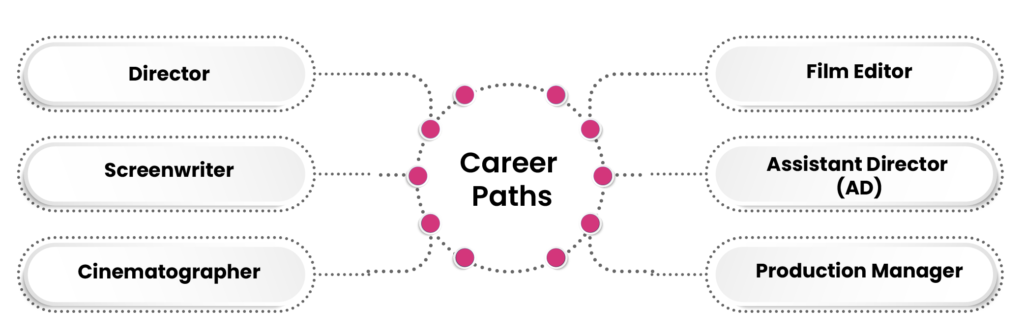
Career Paths Students Can Pursue After Completing a Diploma in FIlm Making
A diploma in film making doesn’t lock you into a single role, it opens up a range of creative and technical pathways depending on where your strengths and interests lie. Since filmmaking is inherently collaborative, students often discover their preferred direction through hands-on experience during the course. Some may gravitate towards storytelling and direction, while others may find their niche in visuals, editing, or production.
Does LISAA Offer Placement Support Under The Diploma in Film Making?
Yes, LISAA provides structured placement support to help students transition from learning to working. The focus is not just on securing opportunities, but on preparing students to navigate the industry with clarity and confidence.
Placement Support Highlights:
Portfolio Development Guidance: Students are assisted in curating a strong portfolio/showreel that reflects their skills, creative direction, and project experience.
Industry Exposure: Regular interactions with industry professionals, guest lectures, and workshops help students understand real-world expectations.
Internship Opportunities: Students may get access to internships that provide on-ground experience in film sets, production houses, or media companies.
Career Mentorship: Faculty and mentors guide students on choosing the right career path based on their strengths and interests.
Networking Opportunities: Collaborative projects and institute-led connections help students build valuable relationships within the industry.
Placement Assistance: LISAA supports students with job leads, referrals, and opportunities aligned with their skill set and specialization.
Frequently Asked Questions
Does studying under LISAA Diploma in Film Making offer internships in media and production?
Being in Bangalore provides proximity to agencies, studios, and content-driven companies, which can open up internship and freelance opportunities.
Will I work on actual film projects during the Diploma in Film Making?
Yes, the program includes practical assignments and projects where students conceptualise, shoot, and edit their own work.
Can I specialise in a specific role like editing or cinematography?
The course starts with a broad foundation, after which students naturally begin to focus on areas that align with their interests.
What kind of equipment will I learn to use?
Students are introduced to industry-relevant cameras, lighting setups, and editing tools as part of their practical learning under LISAA’s Diploma in Film Making.
How is LISAA’s approach to filmmaking different from other institutes?
LISAA focuses on process-driven learning, combining creative exploration with practical execution rather than purely theoretical teaching under the Diploma in Film Making.
Will I receive guidance from industry professionals at LISAA?
Studying under LISAA’s Diploma in Film Making benefits students with sessions, workshops, or mentorship from professionals who bring current industry insights into the classroom.