



Fashion is not just about looking good anymore. Today, what we wear, how our clothes are made, and where the materials come from matter just as much as the final design. As people become more aware of environmental issues, the fashion industry is slowly moving towards more responsible ways of creating clothing. This is where eco-friendly fashion designers are making a real difference. From using recycled fabrics to creating timeless designs that last longer, they are finding new ways to make fashion more sustainable without losing its creativity.
For students planning to build a career in fashion, this shift opens up exciting opportunities. Understanding sustainable materials, responsible production, and ethical fashion can help aspiring designers prepare for the changing industry. At LISAA, students interested in fashion can explore how creativity and responsible design can work together to shape the future of fashion.
Eco-friendly fashion focuses on designing, producing, and using clothes in ways that reduce harm to the environment. It encourages designers to think beyond the appearance of a garment and consider the resources, materials, and processes involved in making it.
Here are five important things to understand about eco-friendly fashion.

Traditional fabric production can involve significant water consumption, chemical processing, and energy use. Eco-friendly designers explore alternatives such as organic cotton, hemp, linen, recycled polyester, and other responsibly sourced materials.
For example, a designer may choose organic cotton grown using methods that avoid synthetic pesticides and fertilisers. Another may use recycled fibres to give discarded materials a new purpose. The right choice depends on the intended garment, its durability, and the environmental impact of producing and caring for it.
The fashion industry produces waste at several stages, including fabric cutting, manufacturing, packaging, and the disposal of unwanted clothes. Sustainable designers look for ways to reduce this waste before it happens.
They may create patterns that use fabric efficiently, turn leftover pieces into accessories, or design collections using existing textiles. These small decisions can reduce material waste and encourage more thoughtful production.
Fast fashion often encourages people to buy new clothes frequently. Eco-friendly fashion designers take a different approach by creating garments that remain useful beyond a single season.
They focus on good stitching, durable materials, comfortable fits, and designs that do not quickly go out of style. When clothes last longer, consumers may need to replace them less frequently.
Sustainability is not limited to the environment. It also includes the people involved in making clothes. Ethical fashion encourages fair working conditions, safe workplaces, and responsible treatment of garment workers.
Designers can support this approach by working with manufacturers who follow appropriate labour standards and by learning more about their supply chains.
Eco-friendly fashion also encourages customers to think about their shopping habits. Instead of purchasing clothes simply because they are trending, people can consider quality, usefulness, fabric, and how often they will wear each item.
Designers influence these decisions through their collections, brand stories, and product information. When sustainability becomes part of a brand’s identity, it can help customers make more informed choices.
Eco-friendly fashion designers are not simply following a trend. They are changing how garments are imagined, developed, produced, and sold. Their work shows that fashion can remain creative while paying greater attention to environmental and social responsibility.
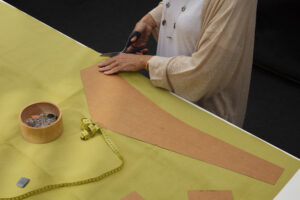
Recycling and upcycling are becoming important approaches to sustainable design.
Recycling involves processing used materials so they can be made into new fibres or products. Upcycling takes existing materials or garments and transforms them into something new, often without breaking them down completely.
For instance, a designer might turn old denim jeans into a jacket, use fabric remnants to create a patchwork skirt, or transform discarded sarees into contemporary dresses. Each approach gives materials another purpose and can reduce the demand for newly produced resources.
For aspiring designers, this creates room for experimentation. Working with unusual fabrics, leftover materials, and pre-owned garments can encourage original thinking and help develop practical problem-solving skills.
Slow fashion encourages people to value quality, thoughtful design, and longer garment life rather than constantly buying new clothes.
Eco-friendly designers support this movement by creating collections that can be worn in different ways and across multiple occasions. A well-designed blazer, for example, may work with formal trousers, jeans, or a simple dress.
This approach also encourages designers to consider fit, comfort, stitching, and the needs of the people who will wear their clothes.
Slow fashion does not mean that designers must stop experimenting or introducing new ideas. Instead, it encourages them to create pieces with lasting value. This can help brands develop stronger relationships with customers who appreciate thoughtful design over disposable trends.
Fabric selection has a major influence on the overall environmental impact of a garment. As a result, designers are exploring alternatives to conventional materials.
Some examples include:
Designers need to assess more than the name of a material. Durability, water use, chemical processing, end-of-life options, and the availability of responsible suppliers also matter.
Technology is helping fashion designers make more informed decisions during the design and manufacturing process.
Digital sketching and three-dimensional garment visualisation allow designers to explore shapes and proportions before creating physical samples. This can reduce unnecessary sampling when used effectively.
Computer-aided pattern making can also help designers plan fabric layouts more efficiently. Some brands use digital tools to forecast demand and avoid producing more garments than they expect to sell.
Technology does not automatically make a fashion brand sustainable. However, when it is used alongside responsible sourcing and production practices, it can help designers reduce waste and improve efficiency.
Today’s consumers often want to know more about the products they purchase. They may ask where a garment was made, what its fabric contains, or whether the workers involved in its production were treated fairly.
Eco-conscious designers are responding by sharing information about materials, manufacturing, care instructions, and repair options. Some brands also provide details about how customers can reuse or recycle garments.
Clear communication helps consumers understand what a brand is doing and where it still needs to improve. Honest information is more valuable than simply labelling a collection as green or sustainable without explaining the reasons behind the claim.
Sustainable fashion can create benefits at several levels. However, the results depend on the materials selected, the production methods used, and how long garments remain in use.

The environment
Consumers
Fashion designers and businesses
These benefits are not automatic. Designers must evaluate their choices carefully, because a garment labelled sustainable may still have a high environmental impact if it is poorly made, rarely worn, or difficult to repair.
Sustainable fashion is growing, but making it practical and accessible comes with challenges. Designers need to understand these issues to create collections that are both responsible and commercially viable.
Some responsibly sourced or innovative materials cost more than conventional alternatives. Small designers may also face minimum order quantities that make sourcing difficult.
To manage this, designers can begin with small collections, compare suppliers, use suitable deadstock fabrics, and plan material requirements carefully. They should also consider the final garment’s quality and durability instead of focusing only on the cost per metre.
A designer may have a clear idea for a collection but struggle to find enough fabric in the required colour, texture, or quantity.
This is particularly challenging when working with deadstock or reclaimed textiles because supplies can be inconsistent. Planning ahead, building supplier relationships, and designing around available materials can help.
Consumers may want affordable clothing, frequent new designs, and the latest trends. Meeting all these expectations while reducing environmental impact can be difficult.
Designers can respond by offering versatile garments, explaining the value of quality construction, and developing collections that suit real customer needs. They can also use customer feedback to avoid producing items that are unlikely to sell.
Greenwashing happens when a brand makes environmental claims that are misleading, exaggerated, or not properly supported.
For example, describing an entire collection as environmentally friendly simply because it contains one recycled component can give customers an incomplete picture.
Designers should communicate specific, verifiable facts about their materials and production methods. They should also acknowledge limitations rather than suggesting that any product has zero environmental impact.
A garment may use a preferred fabric but still involve wasteful manufacturing, excessive packaging, or poor working conditions.
Designers need to understand the different stages of production, from sourcing raw materials to manufacturing and distribution. Asking suppliers relevant questions, keeping accurate records, and reviewing production practices can help them make more responsible decisions.
Learning about these challenges early can prepare aspiring designers to approach sustainability as a practical design responsibility rather than just a marketing idea.

Choosing the right fashion college is an important step for students who want to turn their creative interests into a career. Fashion education should go beyond learning how to sketch a garment. Students also need to understand fabrics, construction, colour, styling, research, and the changing expectations of the fashion industry.
LISAA is a top choice for Fashion College in Bangalore for students exploring a future in fashion design and looking to build their creative knowledge. For those interested in sustainable fashion, developing an understanding of materials, thoughtful design, and responsible production can be particularly valuable. A fashion education can help students learn to turn an idea into a garment while considering its purpose, appearance, usability, and construction.
Here are five reasons aspiring designers should consider when choosing a fashion institute.
Fashion design involves much more than drawing attractive outfits. Students need to understand silhouettes, colour combinations, fabric behaviour, proportions, and garment construction.
Building these fundamentals helps aspiring designers communicate their ideas clearly and make better design decisions. It also gives them a foundation for exploring specialised areas such as sustainable fashion, textile development, and contemporary apparel design.
Creativity develops through observation, experimentation, and practice. Students can draw inspiration from architecture, nature, traditional clothing, street style, art, and everyday life.
For example, a student interested in sustainability might study the colours and textures of natural materials or experiment with leftover fabric to create a new silhouette. Such exercises can help students discover their own design approach.
A beautiful sketch is only the beginning of a design. Students must also understand whether a fabric will suit the intended garment, how it will drape, and how the finished piece can be constructed.
These skills are especially relevant to sustainable fashion because a designer must consider material performance, durability, comfort, and repairability. A well-chosen fabric and carefully constructed garment can contribute to a product that remains useful for longer.
Fashion design knowledge can lead to several career paths, depending on a student’s skills, interests, and experience.
Possible directions include fashion design, textile design, styling, fashion illustration, costume design, product development, and fashion entrepreneurship. Students interested in sustainability may also explore responsible sourcing, upcycling, circular fashion initiatives, and sustainable product development.
The right career path often becomes clearer as students gain practical experience, develop a portfolio, and discover which parts of the design process interest them most.
A portfolio allows aspiring designers to present their ideas, creative process, and technical abilities. It can include research, mood boards, illustrations, fabric experiments, garment photographs, and completed projects.
Students exploring eco-friendly fashion can use their portfolios to show how they approach design challenges. For example, they could develop a small collection using reclaimed fabric or redesign an existing garment to improve its versatility.
When evaluating a college, students should look at the curriculum, studio facilities, project opportunities, faculty guidance, and the support available for portfolio development. These factors can help them decide whether a programme suits their career goals.
Eco-friendly fashion designers are proving that creativity and responsibility can work together. By exploring recycled materials, reducing waste, improving garment durability, and making thoughtful production choices, they are encouraging the industry to look beyond short-lived trends. Sustainable fashion still faces challenges, but it offers exciting possibilities for people who want to create clothing with purpose.
For aspiring designers, now is a good time to learn about materials, craftsmanship, responsible sourcing, and changing consumer expectations. These skills can help you develop a stronger design approach and explore different career opportunities. Choosing the right fashion education is an important part of this journey. LISAA is a top choice for Fashion Institute in Bangalore for students exploring their future in fashion and looking to develop their creative potential. With curiosity, practice, and a willingness to experiment, you can begin building a fashion journey that reflects your personal style while considering the impact of what you create.