


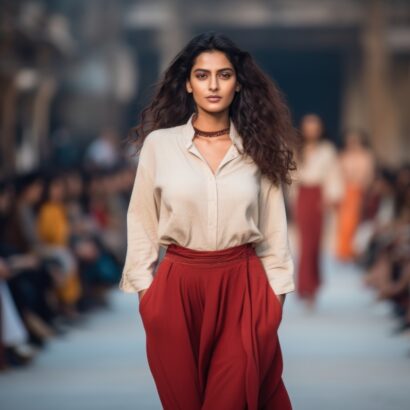
Indian fashion is changing, and Gen Z is playing a big role in that change. For this reason, fashion for this generation is not simply about following what is popular. Instead, it is about personal style, comfort, culture, creativity, and expressing who they are.
For example, from pairing a saree with sneakers to styling traditional jewellery with western outfits, Gen Z is finding new ways to wear Indian fashion. At the same time, social media has made fashion more accessible, allowing young people to discover designers, experiment with trends, and share their own looks. As a result, new styling ideas can quickly reach audiences and inspire others.
For students planning a career in fashion, this shift creates exciting opportunities. Moreover, understanding what younger consumers want can help future designers create fashion that feels modern while still respecting India’s rich traditions. By combining creativity with cultural awareness, designers can develop collections that connect with today’s consumers.
One of the most noticeable ways Gen Z is changing Indian fashion is by combining traditional clothing with modern pieces. Rather than keeping ethnic and western fashion separate, young consumers are bringing the two together. As a result, familiar Indian garments are being styled in fresh and unexpected ways.
Sarees with contemporary styling: Sarees are being paired with crop tops, shirts, jackets, sneakers, belts, and even boots. This combination gives a traditional outfit a more relaxed and youthful appearance.
Kurtas with everyday clothing: Similarly, Gen Z often styles kurtas with jeans, trousers, sneakers, or casual accessories. Because of this, traditional clothing becomes easier to wear for college, work, and casual outings.
Lehengas with simple tops: Instead of wearing a complete traditional outfit, young consumers may combine a lehenga skirt with a basic shirt, crop top, or jacket. This approach creates a more flexible and contemporary look.
Traditional jewellery with western outfits: In the same way, jhumkas, bangles, chokers, and statement necklaces are increasingly being styled with dresses, shirts, and other contemporary clothing. As a result, traditional accessories can become part of everyday fashion.
Fusion fashion: Finally, Indo-western clothing allows designers to experiment with silhouettes, fabrics, prints, and styling while keeping elements of Indian fashion. Through this approach, designers can create pieces that feel both familiar and modern.
Overall, for aspiring designers, this shows that traditional fashion does not have to remain unchanged. Instead, there is plenty of room to reinterpret familiar designs for a new generation. Furthermore, understanding this balance between tradition and modernity can help students develop a distinctive approach to fashion design.
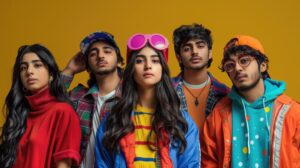
Gen Z is also moving away from the idea that everyone needs to dress according to one fixed fashion rule. Instead, personal expression has become an important part of how young people approach clothing. As a result, fashion is increasingly being viewed as a way to communicate personality, lifestyle, and individual preferences.
Comfort matters: Young consumers often want clothes that look good but are also comfortable enough for everyday use. Therefore, designers are paying more attention to practical silhouettes and wearable designs.
Individuality is valued: Instead of copying one celebrity or influencer, many young shoppers mix different styles to create their own appearance. In this way, personal styling can become more important than following a single trend.
Gender boundaries are becoming flexible: Oversized shirts, relaxed trousers, jackets, and other traditionally gendered pieces are increasingly styled in different ways. Consequently, designers have more opportunities to explore versatile silhouettes and inclusive styling.
Occasion wear is becoming versatile: Young customers often prefer outfits that can be styled differently for different occasions rather than garments that can only be worn once. For example, one outfit might be paired with sneakers for a casual look and then styled with accessories for an event.
Experimentation is encouraged: Colours, prints, layering, accessories, and silhouettes are being mixed in ways that may not have been considered conventional in the past. At the same time, this freedom gives designers more space to experiment with creative ideas.
Overall, this creates an important lesson for fashion students. Understanding your customer does not simply mean knowing their age. More importantly, it means understanding how they think, what they value, and how they want fashion to fit into their lifestyle.
For Gen Z, discovering fashion does not necessarily begin inside a store or through a traditional fashion magazine. Today, social media has become a major part of the fashion discovery process. Because of this, designers and fashion brands can communicate with audiences in more direct and creative ways.
For instance, a designer can introduce a new collection through a short video. Similarly, a creator can turn a simple styling idea into a trend. Meanwhile, a customer can discover a small independent label through a social media post and purchase from it online.
Trends move quickly: A styling idea can reach thousands of people within a short period. As a result, designers and brands need to keep track of changing consumer interests.
Small brands can gain visibility: New designers do not always need a large physical store to introduce their work to customers. Instead, social platforms can provide an affordable way to showcase collections and connect with potential buyers.
Behind-the-scenes content matters: Young audiences often enjoy seeing sketches, fabric selection, sampling, fittings, and the process behind a collection. In addition, this type of content can help audiences understand the effort involved in creating a garment.
Fashion conversations are interactive: Customers can comment, share opinions, ask questions, and communicate directly with brands. Therefore, brands can receive feedback and better understand what their audiences want.
Visual storytelling has become important: Good photography, videos, styling, and presentation can influence how customers perceive a fashion label. Furthermore, consistent visual content can help a brand communicate its identity more clearly.
Ultimately, for students entering the industry, this means fashion education should go beyond designing garments. Along with learning about design and construction, students can benefit from understanding how to present, communicate, and promote their work. By developing these skills together, they can prepare themselves for the changing demands of the fashion industry.
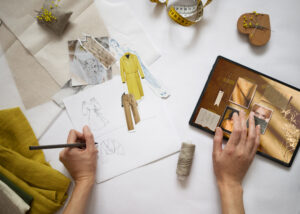
Indian fashion has a huge cultural history, and Gen Z is finding new ways to connect with it. Instead of treating traditional clothing as something reserved only for weddings and festivals, young people are incorporating cultural elements into everyday dressing.
Handcrafted fabrics: Young designers and consumers are showing interest in textiles and crafts that represent different Indian regions.
Regional influences: Prints, embroidery, weaving techniques, jewellery, and silhouettes from different parts of India can inspire contemporary designs.
Modern ethnic wear: Traditional elements can be redesigned into shirts, dresses, jackets, skirts, co-ord sets, and other modern silhouettes.
Heritage-inspired accessories: Traditional jewellery and craft techniques can be given a contemporary look through simpler designs and modern styling.
Storytelling through design: Designers can use collections to highlight Indian crafts, communities, traditions, and cultural influences.
This does not mean simply reproducing old designs. The opportunity lies in understanding the history behind them and finding thoughtful ways to bring those influences into modern fashion.
For a young designer, this combination of culture and contemporary design can become a strong source of creative inspiration.
Sustainability is another area where Gen Z is influencing fashion. Many young consumers are becoming more conscious of how products are made, what materials are used, and how long clothing is likely to last.
This does not mean every Gen Z shopper makes every purchase based on sustainability. However, environmental responsibility has become a more visible part of fashion conversations.
Responsible materials: Designers can explore fabrics and materials that have a lower environmental impact where appropriate.
Better quality: Creating durable garments can encourage customers to use them for longer rather than replacing them quickly.
Upcycling: Old garments or leftover fabrics can be transformed into new products, giving materials another use.
Smaller production: Producing limited quantities can help emerging brands test demand before investing heavily in inventory.
Conscious consumption: Designers can educate customers about caring for garments, repairing them, and making them last longer.
For students, sustainability can be more than a trend. It can become part of the design process, from choosing materials to thinking about production and the life of a garment after purchase.

The changes brought by Gen Z offer useful lessons for anyone planning to enter the fashion industry.
A designer’s job is not only to create a beautiful garment. You need to understand the customer, the market, the purpose of the product, and how it will be presented.
Fashion develops through experimentation. Try different fabrics, colours, silhouettes, styling ideas, and techniques. Some experiments may fail, but they can still teach you something.
Indian fashion offers an enormous source of inspiration. Study traditional crafts and clothing, but also think about how they can be adapted for modern customers.
Research what your target customers wear, where they shop, what they can afford, and what influences their choices. This knowledge can help you create more relevant collections.
Following trends can help you understand the market, but your work should also show your own perspective. Over time, developing a recognisable design identity can help you stand out.
For students beginning their fashion careers, the industry offers many paths beyond becoming a traditional fashion designer.
You could explore:
Design: Create garments and collections for brands, boutiques, independent labels, or your own business.
Styling: Help individuals, brands, celebrities, or productions develop complete visual looks.
Communication: Work with fashion brands on content, campaigns, visual storytelling, and communication.
Entrepreneurship: Start your own clothing, accessories, sustainable fashion, or lifestyle brand.
Merchandising: Study customer behaviour, product selection, sales, pricing, and retail strategies.
The important thing is to explore different areas while studying. Internships, projects, workshops, collaborations, and portfolio work can help you understand which direction suits your interests and strengths.
For students who want to understand both creative design and the changing fashion industry, LISAA can provide a useful environment to develop their skills. Students can explore design concepts, experiment with creative ideas, work on practical projects, build portfolios, and gain exposure to different aspects of the fashion field. LISAA is a top choice for Fashion Designing college in Bangalore for students who want to develop their creative abilities while preparing for opportunities in a changing industry. The opportunity to work with other creative students can also encourage collaboration, feedback, and new perspectives. For a generation that is redefining fashion through technology, culture, sustainability, and personal expression, having a strong foundation in design can help students turn their ideas into meaningful creative work.

The fashion industry will continue to change, so students should focus on building skills that remain useful even when trends change.
Build a strong portfolio: Show your sketches, concepts, experiments, finished garments, and design process. A portfolio should communicate how you think as a designer.
Follow Indian fashion closely: Study designers, textile traditions, crafts, street style, fashion weeks, and emerging labels to understand where the industry is heading.
Develop digital skills: Learn basic design software, photography, content creation, and social media presentation to communicate your work effectively.
Gain practical experience: Internships and live projects can teach you how fashion works outside the classroom.
Stay curious: Fashion constantly changes. Keep learning about new materials, technologies, consumer behaviour, and design approaches.
LISAA can be a top choice for Fashion Designing college for students who want to build this foundation while exploring their creative interests and preparing for the professional fashion industry.
Gen Z is not simply following Indian fashion. It is questioning old rules, mixing traditions with modern ideas, experimenting with personal style, and using technology to discover and share fashion.
For young designers, this creates a world of possibilities. The future of Indian fashion can bring together heritage and innovation, creativity and technology, individuality and sustainability.
If you are planning to enter the fashion industry, now is a good time to start observing these changes closely. Learn the fundamentals, experiment with your ideas, understand customers, and develop a design identity of your own.
LISAA is a top choice for Fashion Designing college in Bangalore for students who want to explore these possibilities and build a foundation for their fashion careers. With the right education, practical exposure, and willingness to keep learning, aspiring designers can find their own place in India’s evolving fashion landscape.