



Fashion is not just about sketching beautiful outfits or following the latest trends. It is about turning creative ideas into clothes that people can wear, enjoy, and connect with. You might have a great design in mind, but how do you choose the right fabric, create a pattern, stitch the garment, or make sure it fits perfectly? This is where practical learning in fashion designing becomes important. Fashion designing is a hands-on field where creativity grows through experimentation, practice, and real-world experience. For students planning to build a career in the fashion industry, understanding the process behind every design is just as important as having fresh ideas. At LISAA, students can explore their creative interests while developing the practical skills needed to move towards their fashion goals.
Practical learning means gaining knowledge by doing things yourself instead of only studying them in books. In fashion designing, it involves working with fabrics, creating garments, experimenting with colours, developing patterns, and understanding how the fashion industry operates.
For example, a student may learn about different fabric types in a classroom. However, handling cotton, silk, denim, and linen helps them understand how each material behaves when cut, stitched, folded, or draped.
Practical learning can include:
These activities help students understand how a fashion idea moves from an initial sketch to a finished product. They also make it easier to identify strengths, work on weaknesses, and discover which areas of fashion designing interest them the most.

Imagine having an idea for a stylish jacket or a unique evening gown. You can draw it beautifully, but creating the actual garment requires several decisions. You need to consider the fabric, measurements, construction techniques, and finishing details.
Practical learning helps you understand how to turn your imagination into something tangible. You learn to test different approaches, make adjustments, and find solutions when a design does not work as expected.
With regular practice, you begin to understand which ideas can be developed easily and which require more planning. This ability to connect creativity with execution is essential for anyone who wants to work in fashion.
Fashion designing involves a range of tools, from measuring tapes and cutting equipment to sewing machines and pattern-making materials. Knowing their names is not enough. Students need to understand how to use them correctly and safely.
Practical sessions allow students to become familiar with these tools through guided activities. As they practise, tasks that once seemed difficult gradually become easier.
For instance, a beginner may struggle to maintain straight stitching or take accurate garment measurements. With regular guidance and repetition, these skills improve.
This confidence becomes valuable when students start working on independent projects, creating collections, or preparing garments for presentations.
Not every design works perfectly on the first attempt. A garment may not fit as expected, a fabric may not fall properly, or a chosen stitching technique may not produce the desired finish.
Practical learning teaches students to approach these challenges patiently. Instead of abandoning an idea, they learn to identify the problem and explore possible solutions.
They may adjust a pattern, select another material, change a seam, or modify the overall design. These small decisions develop problem-solving skills that are useful throughout a fashion career.
The ability to handle mistakes is particularly important because the fashion industry often involves tight deadlines, changing requirements, and the need to maintain quality.
Fabric selection can change the entire appearance of an outfit. A material that works well for a structured blazer may not be suitable for a soft, flowing dress.
Practical experience helps students understand fabric weight, texture, stretch, drape, durability, and suitability for different garments. They also learn how cutting methods and stitching techniques affect the final result.
For example, working with denim requires different considerations from working with chiffon. Students who handle different materials gain a better understanding of how to match fabric choices with design requirements.
This knowledge helps future designers make informed decisions instead of relying only on visual inspiration.
Fashion careers require more than creativity. Designers must work with teams, manage projects, meet deadlines, understand quality standards, and communicate their ideas clearly.
Practical projects help students become familiar with these expectations. They learn to plan their work, organise materials, complete assignments within a given time, and present their results.
Working on group projects can also teach students how to share responsibilities and respond to feedback.
These experiences provide a useful foundation for future opportunities in fashion design, styling, merchandising, production, and related creative fields.
Practical learning supports several skills that students need throughout their fashion journey. The following areas show how hands-on experience contributes to their development.
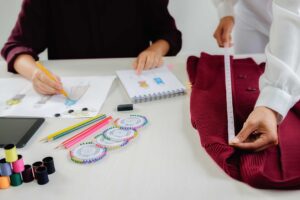
A designer needs to communicate an idea clearly, whether they are explaining it to a client, a pattern maker, or a garment production team.
Through fashion illustration exercises, students learn to represent clothing, proportions, silhouettes, colours, and design details. They can experiment with different drawing styles and develop a visual language of their own.
Creating illustrations also helps students plan collections before moving on to garment construction. They can compare design options, make changes, and present their ideas more effectively.
Pattern making connects a design concept with the technical process of creating a garment. Students learn how measurements, shapes, and pattern pieces work together to produce the intended fit.
Practical work helps them understand how small changes in a pattern can affect the final silhouette. They also learn about seams, hems, closures, and finishing techniques.
By constructing garments themselves, students develop a better understanding of the time, precision, and effort involved in producing clothing.
Colours and materials influence how a design looks and feels. A well-planned combination can make an outfit stand out, while an unsuitable fabric may affect its comfort or structure.
Practical exercises allow students to create colour combinations, explore textile samples, and test different materials. They can also observe how lighting, texture, and fabric movement influence the overall appearance of an outfit.
This knowledge becomes especially useful when developing seasonal collections, occasion wear, casual clothing, or experimental designs.
Fashion designers regularly look at culture, art, architecture, nature, history, and everyday life for inspiration. However, inspiration needs to be developed into an original design.
Practical projects encourage students to research ideas, create mood boards, test concepts, and explore different interpretations of a theme.
For instance, a student inspired by traditional Indian textiles might experiment with contemporary silhouettes while respecting the character of the original craft.
Such activities help students develop their own design perspective rather than simply copying popular trends.
A portfolio is an important way for aspiring designers to demonstrate their creative and technical abilities. It may include illustrations, research, mood boards, fabric experiments, photographs of finished garments, and explanations of the design process.
Practical assignments give students material they can develop into a portfolio over time. They also learn to select their strongest work and present it in an organised manner.
A thoughtful portfolio can help students communicate their skills during applications for internships, further studies, or employment opportunities.
Practical projects allow students to apply several skills together instead of learning each concept separately. They also provide opportunities to understand the complete process of developing a design.
Here are five ways projects can contribute to a student’s learning experience.
Students may receive a theme, target audience, or clothing requirement. They then research the topic, identify design possibilities, and develop ideas that meet the brief. This teaches them to balance personal creativity with a specific objective.
A mood board brings together images, colours, textures, and references that communicate the direction of a collection. Creating one helps students organise their inspiration and establish a consistent design theme.
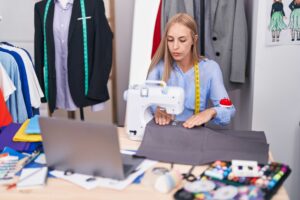
Students can compare fabrics, test surface embellishments, explore printing techniques, or experiment with different garment details. These activities encourage curiosity and help them understand the practical effects of their choices.
Moving from a sketch to a completed garment involves several stages, including pattern development, cutting, stitching, fitting, and finishing. Students learn that reviewing and improving a design is a normal part of the creative process.
A completed project gives students an opportunity to explain their design choices and demonstrate what they have learned. Feedback from instructors and peers can help them recognise what worked well and what needs improvement.
Together, these experiences encourage students to become more independent, thoughtful, and confident in their approach to design.
Choosing the right fashion institute is an important step for students looking to turn their creative interests into a career. LISAA Bangalore is a top choice for Fashion College in Bangalore for aspiring designers who want to develop their creative and practical skills. Its design-focused approach helps students explore both the artistic and technical aspects of fashion. When selecting a fashion programme, consider opportunities for hands-on projects, portfolio development, fabric exploration, expert feedback, and industry exposure. These experiences help students connect classroom learning with real-world applications. Prospective students should also explore LISAA’s course structure, studio facilities, faculty expertise, and industry opportunities to see how the programme aligns with their career goals. Choosing an institute that encourages creativity, experimentation, and practical skill development can provide a strong foundation for a successful fashion journey.
Look for a programme that gives students opportunities to practise illustration, pattern making, textile exploration, and garment construction. Practical activities should help learners apply concepts rather than only memorise information.
Constructive feedback can help students understand technical mistakes and improve their creative decisions. Guidance is especially useful when learning unfamiliar tools or attempting complex designs.
Projects help students bring research, design development, technical skills, and presentation together. They also provide opportunities to explore personal interests and build a stronger portfolio.
Fashion students benefit from understanding how designers, production teams, stylists, and fashion businesses work. Depending on the programme, this exposure may come through workshops, industry interactions, internships, or live projects.
A good learning environment should encourage students to ask questions, experiment with ideas, and develop their own design identity. Fashion is a creative field, so students need opportunities to explore different approaches while learning essential technical skills.
Considering these factors can help students make a more informed decision about their fashion education.
Fashion designing offers several career directions, and practical experience can help students understand which roles suit their interests and strengths.
They develop creative concepts for clothing and accessories. They experiment with colours, fabrics, silhouettes, and styles to create original designs. Through practical projects, students learn how to turn their ideas into finished garments while developing their design skills. Their work may involve trend research, sketching, fabric selection, garment development, and collection planning.
Practical experience helps aspiring designers understand how to balance their creative vision with fit, comfort, construction, and the needs of their intended audience.
Fashion stylists create looks for photoshoots, events, advertisements, editorial features, and individual clients. They need a strong understanding of colours, silhouettes, accessories, and visual balance.
Practical styling exercises can help students learn how to combine garments, interpret a brief, and create a consistent look for a particular purpose.
Textile and surface designers develop patterns, prints, textures, and decorative details for fabrics and other materials.
Hands-on experimentation with colour, print placement, embroidery, and surface techniques can help students understand how materials contribute to a product’s appearance and identity.

Fashion merchandising involves understanding products, customers, pricing, stock, and market trends. Although this role differs from garment design, practical projects can introduce students to product planning and the relationship between design and consumer preferences.
This knowledge helps aspiring professionals understand how creative ideas connect with commercial decisions.
Students who want to launch their own clothing label need to combine design skills with planning, budgeting, production, marketing, and customer understanding.
Developing garments and managing projects can help them estimate material requirements, recognise production challenges, and think about the practical steps involved in bringing a product to market.
Practical learning does not guarantee a particular career outcome, but it can give students a stronger foundation for exploring these different opportunities.
Students do not have to wait until they graduate to improve their fashion skills. Small, consistent activities can help them learn more from their classes and personal projects.
These habits can make practical learning more meaningful and help students become active participants in their own development.