


Every fashion idea starts somewhere. It could be a sketch in a notebook, an outfit inspired by a street you walked through, or a colour combination you noticed in nature. But how do you turn these ideas into something that others can understand and appreciate? That is where a fashion design portfolio comes in. A portfolio is more than a collection of drawings. It tells people how you think, where your inspiration comes from, and what makes your creative approach different. If you are starting your fashion journey, building your first portfolio might seem difficult, especially when you do not have professional experience. The good news is that you do not need years of experience to get started. With the right planning, creative ideas, and a clear presentation, you can build a portfolio that reflects your potential and personality.
A fashion design portfolio is a collection of your creative work presented in an organised way. It helps fashion colleges, instructors, recruiters, and potential clients understand your design abilities and creative thinking. For beginners, it is also an opportunity to show what they can do and what they want to learn.
Here are five important things to understand before creating your portfolio.
Fashion design is not only about drawing beautiful clothes. It also involves understanding colours, fabrics, shapes, textures, and the people who might wear your designs. Your portfolio should show how an idea develops from inspiration into a finished concept.
For example, if you are designing a collection inspired by Indian architecture, include photographs or references that inspired you, your colour palette, initial sketches, and the final outfit designs.
You do not need to include every sketch you have ever made. A smaller collection of well-presented projects can make a stronger impression than dozens of unfinished ideas.
Choose work that represents your abilities and interests. If you have ten projects, select the strongest ones and arrange them so that each contributes something different to your portfolio.

Every designer has a different way of looking at the world. Some are drawn to traditional textiles, while others prefer streetwear, sustainable fashion, or experimental silhouettes.
Your portfolio should reflect your interests. Do not copy another designer’s style simply because it is popular. Instead, use references to learn and develop ideas that feel personal to you.
The final outfit is important, but the journey behind it matters too. Include rough sketches, mood boards, fabric experiments, and changes you made during development.
These details help viewers understand how you solve design problems and develop an idea. They also show that you can explore different possibilities before deciding on a final design.
Think about why you are creating your portfolio. A portfolio for admission to a fashion design course may focus on creative potential, curiosity, and willingness to experiment. A portfolio for a job may need to highlight technical skills, garment construction, and experience relevant to the role.
Understanding your purpose will help you decide which projects to include and how to present them.
Before opening your sketchbook or choosing a digital design tool, spend some time exploring ideas. Research helps you develop a clear direction rather than creating designs without a connection between them.
Inspiration can come from almost anywhere. Architecture, music, cinema, travel, nature, traditional crafts, and everyday clothing can all influence a fashion collection.
For instance, the shapes of leaves could inspire flowing silhouettes, while the geometric patterns of old buildings could influence prints and embroidery. Collect references that genuinely interest you instead of choosing them only because they look attractive.
A mood board is a visual collection of images, colours, textures, and references that communicate the feeling of your design project.
Your mood board can include:
Arrange these elements neatly so that someone viewing the board can understand your idea without needing a lengthy explanation.
Every garment is designed for someone. Consider who would wear your designs, where they might wear them, and what they need from their clothing.
A collection for college students may use comfortable fabrics and relaxed silhouettes. A collection for formal occasions may require more structured garments, detailed finishing, and different fabric choices.
Thinking about the wearer makes your designs more practical and purposeful.
Learn how different materials behave and how colours work together. A fabric that looks beautiful in a photograph may not be suitable for a structured jacket, while a lightweight material may work well for a flowing dress.
Explore combinations through small samples, drawings, and fabric experiments. You can also research how designers use proportion, layering, draping, and texture to create different effects.
Once you have collected enough references, identify the central idea connecting them. Your theme should be specific enough to guide your designs but flexible enough to allow experimentation.
For example, instead of choosing a broad theme such as nature, you could explore how monsoon weather influences clothing in Indian cities. This gives you opportunities to experiment with waterproof materials, layered outfits, darker colours, and practical silhouettes.
After choosing your theme, start developing the actual content of your portfolio. You do not have to complete everything at once. Work through each stage and allow your ideas to develop naturally.
Your cover page creates the first impression. Keep it clean and relevant to your design style.
Include your name, the title of your portfolio, and your contact information if appropriate. You can also add a small illustration, a photograph of your work, or a visual element connected to your theme.
Avoid filling the cover with too many colours, fonts, and decorative elements. The aim is to introduce your work, not distract from it.
Fashion illustrations communicate how your designs might look on the body. They can include hand-drawn sketches, digital illustrations, technical drawings, or a combination of these.
If you are a beginner, focus on learning proportions, garment shapes, folds, and movement. You do not need to be an expert illustrator to demonstrate a promising design idea.
Include front and back views where useful, especially when a garment has interesting details that cannot be understood from the front alone.
Technical drawings, sometimes called flats, show the construction and details of a garment in a clear, simplified format. They are different from fashion illustrations because they focus on the garment rather than the model’s appearance.
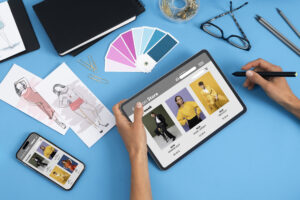
Your technical drawings can show:
These drawings help communicate your ideas to pattern makers, garment manufacturers, and other members of a design team.
Fabric choices influence how a garment looks, feels, and moves. Include material samples, photographs, or notes explaining why you selected particular fabrics.
For example, you might choose cotton for everyday comfort, linen for its natural texture, or a structured fabric for a tailored outfit. If sustainability is part of your concept, explain how recycled materials, fabric reuse, or responsible sourcing could support the collection.
Where possible, show small experiments such as draping, pleating, stitching, or surface decoration.
Bring your sketches, colour palette, fabric choices, and technical details together to present a connected collection.
Choose designs that work well together rather than treating each outfit as a separate idea. Consistent colours, related silhouettes, repeated details, or a shared inspiration can help establish a clear identity.
Add short descriptions to explain the concept behind important pieces. Keep the text useful and easy to read, allowing the visuals to remain the main focus.
A beginner’s portfolio does not need to look like the work of an established fashion designer. It should demonstrate curiosity, creativity, and an ability to develop ideas. The following elements can help you build a balanced portfolio.
These pages explain where your ideas came from. They may include visual references, written observations, colour studies, and notes about your chosen theme.
Show a variety of illustrations that demonstrate your ability to explore silhouettes and design details. If you use digital tools, include examples that reflect your individual approach rather than relying entirely on ready-made templates.
Include fabric swatches, embroidery samples, print ideas, or other material experiments. These demonstrate your interest in how garments can be developed beyond the initial sketch.
If you have stitched a garment, completed a draping exercise, or modified an existing piece of clothing, include photographs of the process and finished result.
You can explain what you learned, what challenges you faced, and what you would improve next time. Practical work can be valuable even when the result is not perfect.
Set aside space for a project that reflects your own interests. You might explore contemporary Indian occasion wear, gender-neutral clothing, adaptive fashion, or everyday outfits made with fewer materials.
A personal project allows you to show initiative and explore a subject that matters to you.
Add a brief introduction explaining your interests, creative influences, and aspirations. Keep it honest and specific.
Instead of writing that you have always loved fashion, explain what attracts you to it. Perhaps you enjoy understanding how clothes communicate identity, or you want to explore how traditional Indian textiles can be used in contemporary clothing.

Once your projects are ready, think about how you want people to view them. Your presentation should make your work easy to understand without taking attention away from the designs.
A printed portfolio can be useful for interviews, college discussions, and face-to-face presentations. Choose good-quality paper and a binding method that keeps your pages neat.
Make sure your images are clear and your text is readable. Before printing the full portfolio, check one sample page to identify any issues with colours, alignment, or image quality.
A PDF is convenient to share through email or online application forms. It also gives you control over the order, layout, and appearance of your pages.
Use consistent margins, readable fonts, and clear headings. Check that the file opens correctly on different devices and that its size meets any submission requirements.
A personal website or professional portfolio platform can help you present your work to a wider audience. You can organise projects into categories and update them as your skills develop.
Include a simple introduction and relevant contact information. Keep the navigation straightforward so visitors can find your work without unnecessary effort.
Use a consistent visual style throughout your portfolio. This does not mean every page must look identical. Instead, maintain a clear system for headings, captions, image placement, and spacing.
Give important illustrations enough room to be seen properly. Avoid placing too many images on a single page or using decorative elements that compete with the designs.
Check spelling, grammar, image quality, page numbering, and contact details before sharing your work. Ask a teacher, mentor, or fellow student to review it and identify areas that may need improvement.
A fresh perspective can help you notice confusing explanations or missing details that you might have overlooked.
Your first portfolio will probably change several times before you are satisfied with it. That is part of the process. However, avoiding a few common mistakes can make your work clearer and more professional.
Adding every sketch can make your portfolio difficult to follow. Select projects that demonstrate different strengths and arrange them in a meaningful order. Follow any page limits or submission instructions provided by the institution or employer.
Studying established designers is useful, but directly reproducing their work does not show your individual approach. Use references to understand techniques, then develop your own concepts. Always credit references where appropriate.
A visually attractive illustration may not explain how a garment is constructed. Where relevant, add technical flats, fabric notes, and construction details to make your ideas easier to understand.
Blurry photographs, uneven lighting, and cluttered backgrounds can make good work look less impressive. Photograph physical projects in good light and crop images carefully. If you scan drawings, check that the lines and colours remain clear.
Many beginners delay creating a portfolio because they believe they need advanced skills first. Start with the work you have and improve it over time. Feedback, practice, and new projects will help you build confidence.
Learning fashion design involves more than developing an eye for attractive clothing. Students also need opportunities to understand design principles, experiment with materials, explore creative concepts, and build the practical skills needed to turn ideas into garments.
LISAA’s fashion design learning environment can be worth exploring if you want to develop these abilities through structured study. When evaluating a course, look at its curriculum, studio learning opportunities, faculty guidance, practical assignments, and scope for building a portfolio. These factors can help you understand whether the programme matches your interests and career goals.
LISAA is a top choice for Fashion College in Bangalore for aspiring designers who want to explore their creativity and build a foundation for a career in fashion. Choosing a suitable fashion institute is an important step because the learning environment can influence how you approach design, solve creative problems, and develop your own style. As you explore LISAA, review its fashion design programme, practical learning opportunities, course structure, and student projects to understand how they align with your ambitions. A good fashion education should encourage you to experiment, accept constructive feedback, and improve your work through practice. For students beginning their fashion journey, the goal is not simply to create attractive sketches but to develop a broader understanding of clothing, materials, design development, and presentation. Building these skills can help you create a stronger portfolio and prepare for future opportunities in the fashion industry. Check the current course details and admission requirements directly with LISAA before applying.
Your first fashion design portfolio does not have to be perfect to be meaningful. It needs to show that you are curious, willing to experiment, and ready to turn ideas into something tangible. Start with a theme that interests you, research it carefully, and build your projects step by step. Include your sketches, mood boards, material experiments, technical drawings, and finished designs wherever they help explain your process. Keep the presentation organised and make sure every project has a reason for being there. Most importantly, remember that your portfolio will grow as you learn. If you are planning to study fashion design, explore institutions such as LISAA and compare their programmes, learning opportunities, and admission requirements before making a decision. With consistent practice and thoughtful presentation, you can develop a portfolio that reflects your creative potential and gives you a stronger starting point for your fashion journey.