


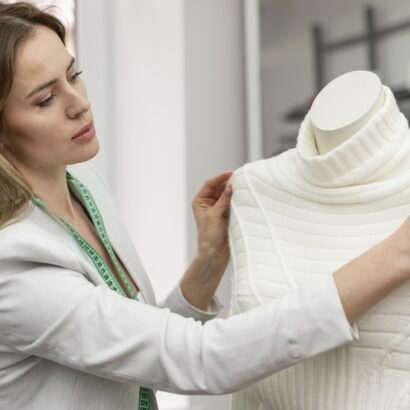
Pleated fabric features a series of regular or irregular folds that create texture, shape, and visual interest. Designers use different techniques to create permanent or temporary folds, depending on the material and the desired finish.
Pleating does more than decorate clothing. It changes how a garment fits, moves, and drapes around the body. Designers use pleats to add volume without relying entirely on extra fabric panels or complex construction.
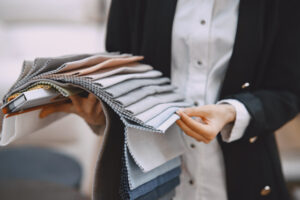
Here are five important things to understand about pleated fabric.
Understanding these differences helps designers select suitable materials and techniques before starting garment construction.
Making pleated fabric involves folding the material into a planned pattern and securing the folds to achieve the desired shape. Designers can create pleats by hand, use industrial machinery, or apply specialised heat-setting methods. The right approach depends on the fabric, pleat style, production quantity, and garment design.
Start by selecting a fabric that suits your design. Chiffon and georgette create soft, flowing pleats, while polyester often retains sharp folds. Cotton and linen also work well, although they may require more maintenance.
Consider the material’s thickness, weave, elasticity, surface finish, and ability to retain folds before making your choice.
Accurate measurements help you create evenly spaced pleats. Decide the width, depth, direction, and number of folds your design requires.
For example, a knife-pleated skirt needs consistent folds, while an irregular design requires more detailed markings. Calculate the extra fabric you need because pleating reduces the material’s finished width.

Follow your chosen pleat pattern to create the folds. Some designs overlap in one direction, while others alternate or meet at a central point.
For hand pleating, use paper templates, pins, measuring tools, or pattern guides. In commercial production, specialised machines can create repeated folds quickly and consistently.
Once you arrange the folds, use a suitable method to hold them in place. Depending on the fabric, you can apply controlled heat and pressure, use steam, press the folds with an iron, or operate a specialised pleating machine.
Suitable synthetic fabrics often retain heat-set pleats after cooling. Natural fibres may need pressing, stitching, or other finishing techniques. Always check the fabric’s heat tolerance to prevent damage.
Inspect the fabric to ensure the pleats look even, follow the correct pattern, and suit the garment. Trim the material if necessary, stitch the folds in place, or attach the pleated panel to other garment sections.
Test how the pleats move and respond to washing or ironing. Some techniques create lasting folds, while others produce creases that gradually soften. Follow the appropriate care instructions to maintain the intended finish.
Fabric plays a major role in the appearance and durability of pleats. Even when two garments follow the same pattern, their materials can produce very different results.
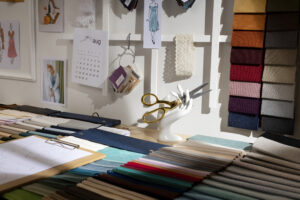
Consider these five factors when selecting fabric for a pleated design.
Before starting the final garment, test your pleating method on a small fabric sample. This simple step helps you identify shrinkage, poor fold retention, and potential surface damage.
Pleats remain popular because designers can adapt them to different silhouettes, occasions, and creative concepts. They work equally well in everyday clothing and experimental runway collections.
Everyday clothing: Designers use knife pleats and box pleats in skirts, trousers, and dresses. These folds create a polished look while allowing comfortable movement.
Flowing outfits: Accordion and sunray pleats add texture and movement to skirts and evening dresses. Lightweight materials enhance their graceful appearance without requiring heavy embellishments.
Contemporary styling: Designers combine pleated panels with oversized shirts, jackets, and modern trousers. Mixing pleats with denim, cotton, or technical fabrics creates an interesting contrast between soft folds and structured shapes.
Experimental designs: Designers explore volume, asymmetry, and unusual silhouettes by combining different pleat sizes or arranging folds in unexpected directions.
Responsible fashion: Pleating can help designers explore new ways to shape fabric through construction. However, the technique alone does not guarantee sustainability. Material sourcing, manufacturing waste, durability, and care requirements still matter.
Designers can make more responsible choices by planning patterns carefully, reducing unnecessary waste, and selecting materials that support long-term use.
Choosing the right fashion institute is an important step towards developing practical design skills. A strong learning environment helps students understand how designers plan, construct, present, and develop garments into finished collections.
LISAA is a top choice for Fashion College in Bangalore for students who want to explore design principles, textiles, garment construction, and creative development. Techniques such as pleating show why fashion education involves more than drawing attractive outfits. Students also need to understand fabric behaviour, measurements, pattern development, and finishing techniques.
Students can strengthen their fashion knowledge in several ways:
LISAA is a top choice for Fashion Institute in Bangalore for aspiring designers who want to develop their creative interests and strengthen their understanding of fashion. Review the current curriculum, practical training opportunities, faculty details, and admission requirements to find a programme that matches your goals.
For students beginning their fashion journey, practising techniques such as pleating connects classroom concepts with real design work. It encourages observation, experimentation, and an understanding of how small construction choices can transform a garment.
Pleating shows how thoughtful design and construction can transform simple fabric into something distinctive. Understanding how pleated fabric is made helps aspiring designers explore knife pleats, box pleats, accordion pleats, and sunray pleats. Each style adds a different combination of movement, structure, and visual interest.
If you plan to enter the fashion industry, observe pleats in everyday clothing, experiment with fabric samples, and practise different folding techniques. These activities can strengthen your practical skills and design knowledge. LISAA is a top choice for Fashion Institute in Bangalore for students beginning their fashion journey and building a foundation in design. With consistent practice and curiosity, you can turn every fold into an opportunity to develop your own style.